





Are you a Certified Public Accountant (CPA) or Chartered Accountant (CA) interested in enrolling in one of the highly respected MBA programs provided by universities such as Columbia Business School (CBS) or London Business School (LBS)?
Whether an MBA is genuinely necessary is typically the first question a chartered accountant asks while pursuing one. This topic is highly relevant because chartered accountants compete with MBA graduates for finance positions in top corporate organisations throughout the world. So, should a certified public accountant even consider getting an MBA? Or the effort isn’t worth it? Read on to find out!
How Can a CA Benefit From an MBA?
As a certified Chartered Accountant, you are already on a path to becoming a pioneer in the finance sector. However, there is still room for developing skills to prepare you for leadership roles. Here are some skills a CA acquires with an MBA degree from an M7 or ISB:
1. Strategic thinking
While most accountants are absolutely comfortable with numbers and data, strategic thinking skills that help them evaluate the entire business potential and streamline internal project investments require further polishing. An MBA not only helps you hone strategic thinking skills but also lets you practice the same in daily life.
2. Business aspects
As a finance expert, you can vouch for your technical knowledge. But to go up the ladder in leadership roles, you need to know what it takes to make strong business decisions. An MBA degree teaches you to apply your technical knowledge to the larger business world.
3. People management skills
As an accounts professional, most CAs are used to working in individual roles. But in leadership roles or as a business leader, you need to have the skills to communicate well and motivate your teams. An MBA degree is a great way to learn these skills.
Why are CAs and CPAs Strong Candidates for an MBA in M7 B-schools and ISB?
An MBA after CA is not just an excellent idea, but CA and CPAs are also ideal candidates for an MBA degree. Here is why:
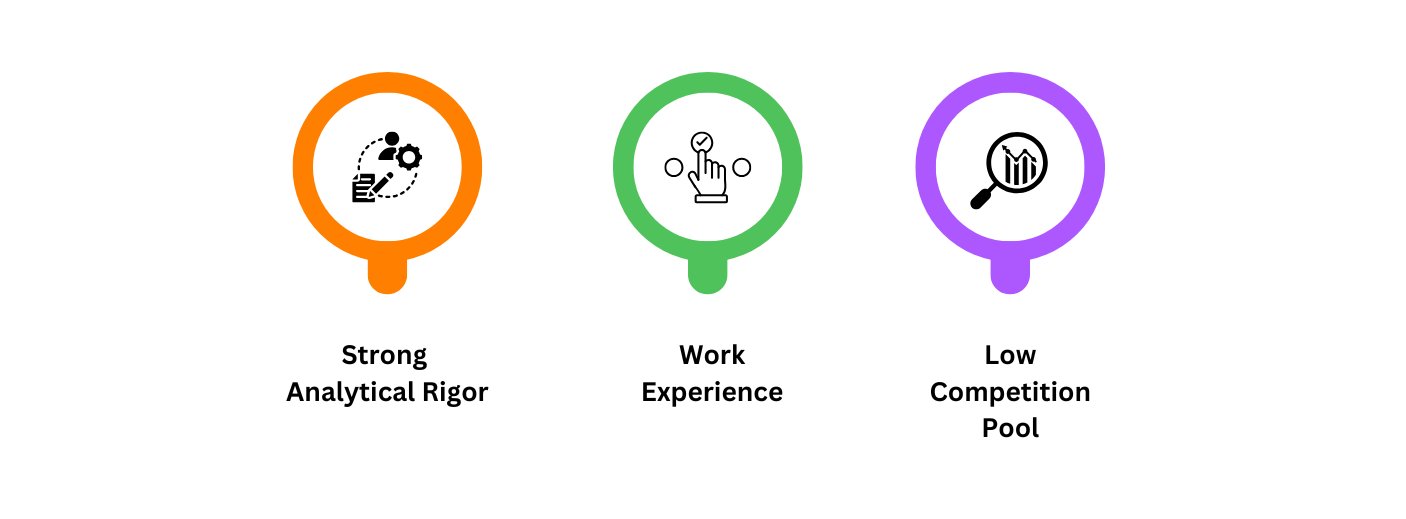
1. Strong Analytical Rigor
The CA examinations are highly competitive and tough to crack, and top MBA programs are well aware of that. Your academic discipline and problem-solving skills are valuable in finance, strategy, and even entrepreneurial programs.
2. Work Experience
Many CAs work in client-facing roles at Big Four firms, handling mergers and acquisitions, auditing global clients, or managing internal controls, which provides a wealth of discussion points for your essays and interviews.
3. Low Competition Pool
While engineers abound in the Indian candidate pool, CAs/CPAs are still relatively scarce, which allows you to stand out, especially if you communicate your story effectively.
What Roles Can Chartered Accountants Get Post-MBA?
Chartered Accountants have no dearth of opportunities when it comes to a career post-MBA. They have excellent chances of setting foot in the following key positions:
| General Management |
| Management Consulting |
| Investment Banking |
| Treasury Operations |
| Corporate Finance |
| Private Equity Management |
Admissions Process for MBA After CA/CPA
When it comes to getting into a top business school, Chartered Accountants frequently have a significant edge. CAs have more defined career clarity, a well-defined professional trajectory, and a documented track record of academic excellence as a result of their prior commercial exposure.
These strengths not only help students with their MBA applications but also make them highly effective hires afterwards. Employers frequently discover that CA-MBA graduates can contribute substantially from day one, adapting to complex tasks with ease. With the right MBA admission consultants, candidates can better showcase their professional value, craft compelling applications, and strategically target top programs like M7 or ISB.
By deliberately highlighting these qualities, Chartered Accountants can distinguish themselves as standout applicants in the competitive MBA admissions landscape.
M7 vs. ISB: What Should You Aim?
M7 schools are globally recognised and offer long-term ROI, unparalleled alumni networks, and a chance to work in the US or other international markets. But they’re also competitive, expensive, and require more prep.
ISB, on the other hand, is perfect for mid-career professionals who want to grow in India or APAC. It’s a one-year program that is highly respected and attracts recruiters from top consulting, tech, and finance firms.
How Do You Build a Competitive Profile as a CA/CPA for an MBA?
Here are a few critical aspects you must take care of to build a competitive profile as a CA or a CPA to pursue an MBA from a reputed B-school.
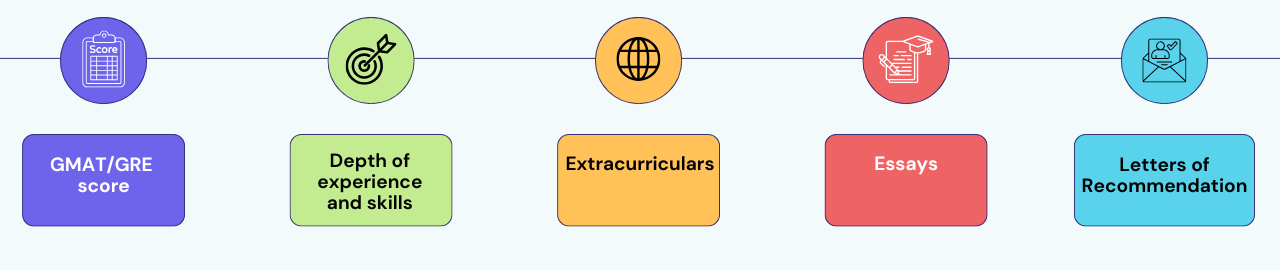
1. GMAT/GRE score: Most M7 programs look for a 675+ GMAT FE score. If you already have a solid quantitative score, focus on the verbal section and we recommend atleast 4-6 mock tests for GMAT prep.
2. Depth of experience and skills: You don’t need to be a VP to get into an MBA program, but you do need to showcase what impact you made, whether you led any projects or how you progressed during your tenure. Highlighting comm
3. Extracurriculars: Top schools are looking for well-rounded individuals. Start building this as soon as possible by starting your own podcast – possibly financial awareness on a specific topic, volunteering for a cause (maybe pro-bono financial advice for low-income families), or working on a passion project.
4. Essays: Make your essays engaging by talking about what shaped you, your journey as a CA, how you think you can be an asset to the program, and what your post-MBA goals are.
5. Letters of Recommendation: Pick people who know you closely, not just high-ranking officials. A glowing, detailed letter from a manager is better than a vague one from a partner or CEO.
So, are you ready to take the leap?
Let LilacBuds assist you in developing a winning MBA strategy, tailoring your story, and unlocking the worldwide future you deserve.
Book your consultation or contact our professional mentors immediately. Good luck!